



A dash cam is no longer just a gadget for tech-focused drivers. It has become one of the most practical upgrades for everyday vehicles, helping capture road incidents, support insurance claims, monitor parking activity, and provide extra peace of mind behind the wheel.
But before choosing one, it is important to understand the different dash cam types available. Not every dash cam works the same way, and the best option depends on how you drive, where you park, and what level of protection you want.
From basic front-facing cameras to advanced front and rear systems with parking mode, each type of dash cam offers a different level of coverage. Let’s break down the main options so you can choose the right setup for your vehicle.
What Are the Main Dash Cam Types?
The most common dash cam types include front dash cams, front and rear dash cams, interior dash cams, mirror dash cams, 360-degree dash cams, and hardwired dash cams with parking mode.
Some are simple and affordable. Others offer more complete vehicle protection with features such as night vision, GPS tracking, Wi-Fi connection, impact detection, and parking surveillance.
The right choice depends on whether you only want to record the road ahead or whether you want wider protection around your vehicle.
1. Front Dash Cam
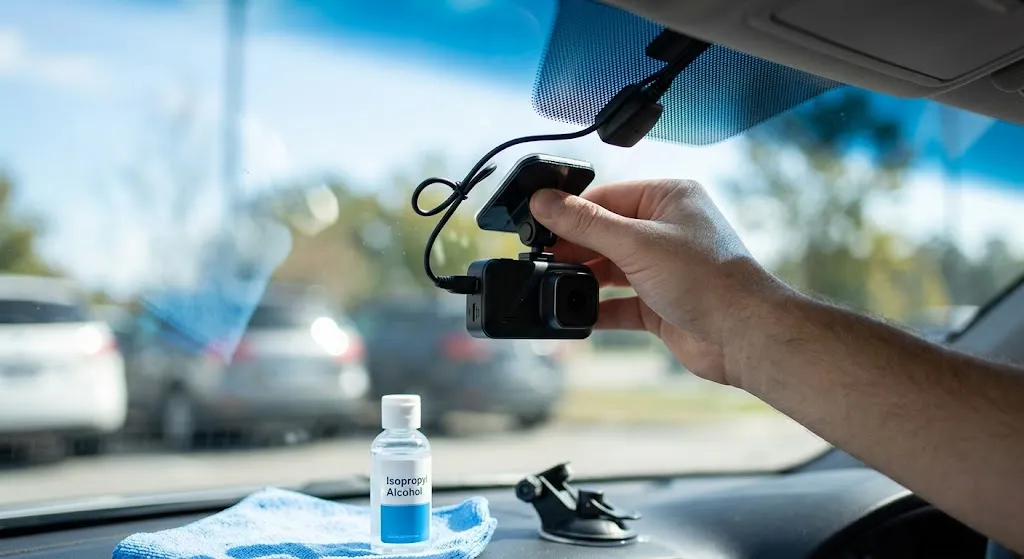
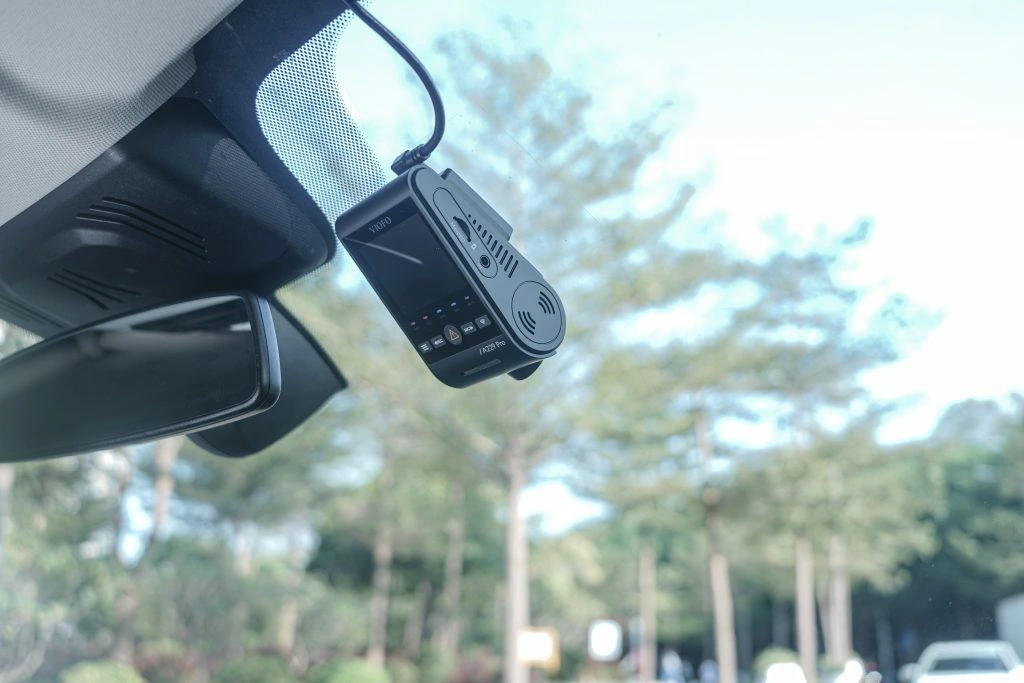
A front dash cam is the most basic and popular type of dash cam. It is installed on the front windscreen, usually behind or near the rear-view mirror, and records the road ahead.
This type of dash cam is ideal for capturing accidents, sudden braking, road hazards, dangerous drivers, and unexpected incidents in front of your vehicle.
Best for:
Daily drivers who want simple road protection.
Main benefits:
A front dash cam is usually affordable, easy to use, and quick to install. It provides clear evidence if something happens in front of your car.
Things to consider:
A front-only dash cam does not record what happens behind your vehicle or inside the cabin. If you want more complete coverage, you may need a dual-channel system.
2. Front and Rear Dash Cam
A front and rear dash cam records both the road ahead and the view behind your vehicle. The front camera is mounted near the windscreen, while the rear camera is usually installed on the rear windscreen.
This is one of the best dash cam types for drivers who want stronger protection in real-world situations. Rear-end accidents, tailgating, parking incidents, and hit-and-run damage can often happen behind the vehicle, so having rear coverage can be very valuable.
Best for:
Drivers who want front and back protection.
Main benefits:
A front and rear dash cam gives a more complete record of what happens around your car. It is especially useful for commuting, rideshare driving, family cars, and vehicles parked in busy areas.
Things to consider:
Installation takes longer than a front-only dash cam because the rear camera cable needs to be routed neatly through the vehicle.
3. Interior Dash Cam
An interior dash cam records inside the vehicle cabin. It is commonly used by rideshare drivers, taxi drivers, commercial drivers, and fleet vehicles.
This type of dash cam can help record passenger behaviour, driver activity, and events inside the car. Some models include infrared night vision, allowing clear cabin recording even in low light.
Best for:
Rideshare drivers, taxi drivers, fleet vehicles, and commercial use.
Main benefits:
An interior dash cam adds another layer of security for drivers who regularly carry passengers or use their vehicle for work.
Things to consider:
Privacy laws and passenger consent should be considered when recording inside a vehicle, especially for business or rideshare use.
4. Mirror Dash Cam
A mirror dash cam replaces or clips over your existing rear-view mirror. It usually includes a built-in display and may connect to a rear camera for reversing assistance and rear recording.
Mirror dash cams are popular because they look clean and do not take up much extra windscreen space. They can also give older cars a more modern feel.
Best for:
Drivers who want a discreet dash cam with a built-in screen.
Main benefits:
A mirror dash cam can combine front recording, rear recording, and reversing display functions in one unit. It is a practical option for vehicles without a factory reversing camera.
Things to consider:
Not every mirror dash cam suits every vehicle. The size of the original mirror, visibility, wiring, and rear camera setup should be checked before installation.
5. 360-Degree Dash Cam
A 360-degree dash cam is designed to capture a wider field of view around the vehicle. Some models use one wide-angle camera, while others use multiple cameras to provide broader coverage.
This type of dash cam is useful for drivers who want more complete monitoring, especially in car parks, tight streets, and high-traffic areas.
Best for:
Drivers who want wider vehicle coverage.
Main benefits:
A 360-degree dash cam can help capture incidents that may happen from the side or around the vehicle, not just directly in front or behind.
Things to consider:
Image quality can vary depending on the model. Some 360-degree systems may not capture number plates as clearly as dedicated front and rear cameras, especially at distance or in low light.
6. Hardwired Dash Cam
A hardwired dash cam is connected directly to the vehicle’s fuse box using a hardwire kit. This allows the dash cam to turn on and off automatically with the vehicle and can enable parking mode if the camera supports it.
Hardwiring is not a separate camera style, but it is an important installation type. Many front, front-rear, and mirror dash cams can be hardwired for a cleaner and more reliable setup.
Best for:
Drivers who want hidden wiring and parking mode.
Main benefits:
A hardwired dash cam looks neater, avoids visible cables, frees up the cigarette lighter socket, and can provide protection while the car is parked.
Things to consider:
Hardwiring should be done properly to avoid battery drain, loose connections, or damage to vehicle electronics. Professional installation is recommended.
7. Dash Cam with Parking Mode
A dash cam with parking mode can monitor your vehicle when it is parked and the engine is off. Depending on the model, it may record when motion or impact is detected.
Parking mode is one of the most useful features for drivers who park on the street, in shopping centres, apartment car parks, or public areas.
Best for:
Drivers concerned about hit-and-run damage, vandalism, and parking accidents.
Main benefits:
Parking mode helps protect your vehicle even when you are not inside it. If someone bumps, scratches, or damages your car, the dash cam may capture useful footage.
Things to consider:
Parking mode usually requires hardwiring or an external battery pack. A proper voltage cut-off setting is important to help protect the vehicle battery.
8. GPS Dash Cam
A GPS dash cam records driving information such as location, speed, and route data. This can be useful when reviewing footage after an incident.
GPS data can help show where an event occurred and may provide extra context for insurance claims or fleet management.
Best for:
Drivers who want location and speed data with their footage.
Main benefits:
A GPS dash cam adds more detail to your video recordings and can make footage more useful in certain situations.
Things to consider:
Some drivers may prefer not to record speed data. It is important to understand what information your dash cam stores.
9. Wi-Fi Dash Cam
A Wi-Fi dash cam allows you to connect the camera to a smartphone app. This makes it easier to view, download, and share footage without removing the memory card.
Wi-Fi dash cams are popular because they are convenient and user-friendly.
Best for:
Drivers who want easy access to dash cam footage.
Main benefits:
You can quickly check recordings, save important clips, adjust settings, and share footage from your phone.
Things to consider:
App quality can vary between brands. Choosing a reliable dash cam brand with a stable app is important.
Which Dash Cam Type Is Best?
For most everyday drivers, a front and rear dash cam with hardwired parking mode is the best all-round option. It provides strong coverage while driving and extra protection when the vehicle is parked.
For basic protection, a front dash cam may be enough. For rideshare drivers, an interior dash cam may be important. For drivers who want a modern display and reversing support, a mirror dash cam may be the better choice.
The best dash cam type depends on your vehicle, budget, parking habits, and the level of security you want.
Why Professional Installation Matters
Choosing the right dash cam is only one part of the process. Installation quality matters just as much.
A professionally installed dash cam should have neat hidden wiring, correct camera placement, secure mounting, and safe power connection. This is especially important for hardwired dash cams, front and rear systems, and vehicles with curtain airbags or advanced electronics.
Poor installation can lead to messy cables, unreliable power, blocked visibility, battery drain, or interference with vehicle safety systems.
Upgrade Your Vehicle with Seven Smart Auto
At Seven Smart Auto, we help drivers choose and install the right dash cam setup for their vehicle. Whether you need a simple front dash cam, a front and rear dash cam, a mirror dash cam, or a hardwired system with parking mode, professional installation can make the final result cleaner, safer, and easier to use.
A dash cam should not feel like a loose accessory. It should look integrated, work reliably, and give you confidence every time you drive.
Contact Seven Smart Auto to find the best dash cam type for your car and book a professional installation.
FAQs About Dash Cam Types
What are the different dash cam types?
The main dash cam types include front dash cams, front and rear dash cams, interior dash cams, mirror dash cams, 360-degree dash cams, GPS dash cams, Wi-Fi dash cams, and hardwired dash cams with parking mode.
Which dash cam type is best for everyday driving?
For most everyday drivers, a front and rear dash cam is the best choice because it records both the road ahead and the area behind the vehicle.
Is a front dash cam enough?
A front dash cam is enough for basic protection, but it will not capture incidents behind your vehicle. For better coverage, a front and rear dash cam is recommended.
What is the best dash cam type for parking protection?
A hardwired dash cam with parking mode is best for parking protection because it can monitor your vehicle while the engine is off.
Are mirror dash cams good?
Mirror dash cams can be a good option for drivers who want a built-in screen, rear camera support, and a clean-looking setup. Suitability depends on the vehicle and camera quality.
Do I need a professional to install a dash cam?
Professional installation is recommended for front and rear dash cams, mirror dash cams, and hardwired dash cams because proper wiring, camera placement, and power connection are important.