




You’re a careful driver. You check your mirrors diligently, signal every turn, and keep a safe following distance. But even with all that attentiveness, there’s a sneaky truth about driving: you can’t see everything. These hidden zones, known as blind spots, are not just an inconvenience; they’re a significant factor in many accidents. Understanding where they lurk and, more importantly, how to conquer them, is a cornerstone of defensive driving.
This guide explains where vehicle blind spots occur, how to check blind spots correctly using mirrors and a shoulder check, and why these skills are essential for learner drivers, driving tests, and everyday road safety.
What Exactly Are Blind Spots?
Imagine you’re driving down a multi-lane highway. You glance in your side mirror to change lanes, but the car that was just a dot in your peripheral vision is now completely gone. That’s a blind spot in action. Simply put, blind spots are areas around your vehicle that are not visible in your rearview or side mirrors, limiting your field of view. They’re the frustrating gaps in your field of vision, the places where other vehicles, motorcycles, or even pedestrians can disappear, sometimes with dangerous consequences for all road users. They’re not a flaw in your driving; they’re an inherent design characteristic of every vehicle.
Where Do Vehicle Blind Spots Hide?

Blind spots aren’t uniform; they shift and change depending on your vehicle type and even your seating position. However, there are a few common hideouts where these invisible zones love to hang out.
1. The Side Blind Spots
These are the most notorious blind spots, residing on either side of your vehicle, usually extending from just behind your side mirrors to the rear bumper. They’re the reason why a car can seem to vanish when you’re about to merge or change lanes. Think of them as the “no man’s land” between what your side mirror shows you and what your peripheral vision can pick up. Larger vehicles like SUVs, trucks, and vans tend to have more pronounced side blind spots due to their longer bodies.
2. The Rear Blind Spot
While your rearview mirror gives you a good look directly behind you, there’s often a substantial area directly behind your vehicle that remains unseen. This is particularly true for taller vehicles, vehicles with small rear windows, or those loaded with cargo, blocking the view. This rear blind spot is a major culprit in backing accidents, where a small child, a pet, or even a low-lying object can be completely hidden from view. To help prevent accidents, a dash cam can be invaluable in capturing rearview footage.
3. Internal Obstacles
It’s not just the exterior of your car creating blind spots. Internal structures play a role, too. The A-pillars (the front supports on either side of your windshield) can obscure pedestrians, cyclists, or even entire vehicles, especially when making turns. B-pillars (between the front and rear doors) and C-pillars (at the very back of the passenger compartment) can also create significant visual obstructions, particularly when looking over your shoulder.
How to Check Vehicle Blind Spots
Knowing where blind spots are is only half the battle. The real victory comes from actively and consistently checking them. This isn’t about guesswork; it’s about employing a systematic approach to ensure nothing is hiding in plain sight.
1. Adjust Your Mirrors Like a Pro
Forget the old advice of seeing the side of your car in your side mirrors. That’s a recipe for vehicle blind spots. Instead, adjust your side mirrors outwards until the point where the side of your car is just out of view. This expands your peripheral vision and significantly reduces the size of those dreaded side blind spots. Your rearview mirror should give you a clear, unobstructed view directly behind you. Spend a few extra minutes parked safely to set these up correctly; it’s a game-changer.
2. The Head Check
This is your ultimate defence. Before every lane change, merge, or turn, execute a quick “head check.” Briefly turn your head to glance over your shoulder in the direction you intend to move. This split-second action provides a direct, unmediated view of the area your mirrors might miss. It’s an ingrained habit for experienced drivers, and it should become one for you too. Don’t skip it, even if you think the lane is clear.
3. Technology as a Co-Pilot
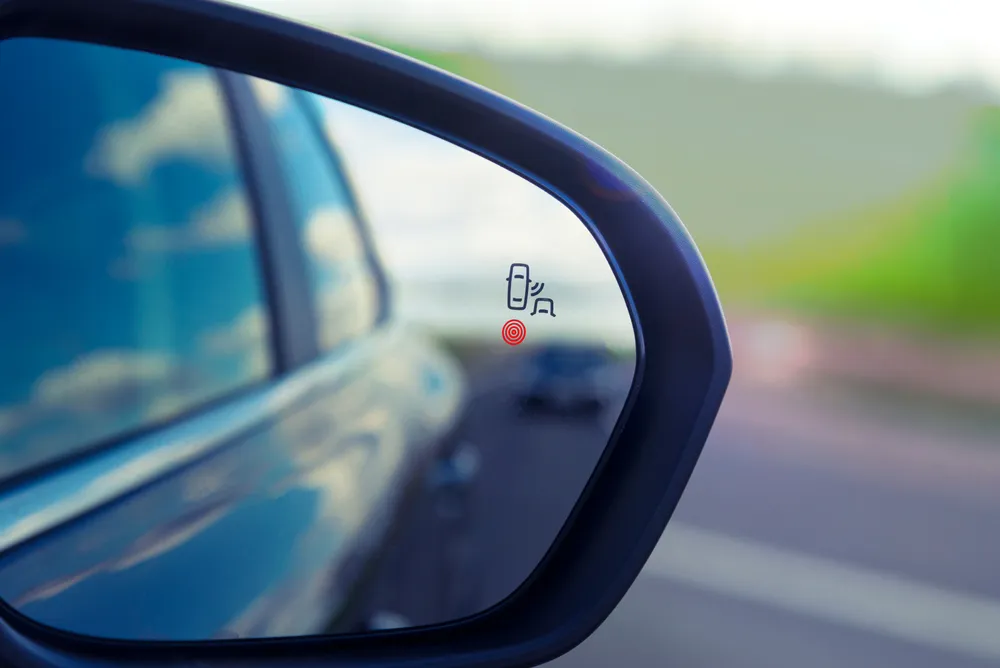
Modern vehicles often come equipped with technologies designed to assist with blind spots. Blind spot monitoring systems use radar or cameras to detect vehicles in your blind spots and alert you with visual or auditory warnings. Rearview cameras are invaluable for mitigating the rear blind spot when backing up. While these technologies are fantastic aids, remember they are aids, not replacements for your active mirror checks and head turns. Always use them in conjunction with your own awareness.
Beyond the Basics: Defensive Driving and Awareness
Conquering vehicle blind spots is an ongoing practice that requires proactive awareness. Anticipate where blind spots might be for other drivers. Don’t linger in another vehicle’s blind spot; either accelerate to pass or fall back to a safe distance. Drive predictably, use your turn signals, and maintain a constant scan of your surroundings. Driving isn’t just about controlling your vehicle; it’s about safely navigating a dynamic environment. By mastering the art of blind spot management, you become a more confident, safer driver, protecting yourself and everyone else on the road. Looking to enhance your driving experience and improve safety? Visit Seven Smart Auto for expert automotive solutions, quality products, and services that make your vehicle smarter and safer.