



TL;DR
Around 20 years is a useful guide to the lifespan of a light vehicle in Australia. In one national study, 53% of passenger cars and SUVs sold in 2006 were still registered in January 2025. For your own car, the better clues are in the logbook and the workshop report. Check what has already been replaced, what is due next and whether the same faults keep coming back.
When your odometer rolls over to 200,000 km, it’s reasonable to wonder how much longer the car will last. The most useful clue might be in the glovebox. A timing belt replaced last month, for example, puts you in a different position from an owner whose identical car is due for the same job next week.
How long do cars typically last in Australia?
Australia’s Climate Change Authority cited an average light vehicle lifespan of about 20 years in a review drawing on 2010 estimates. More recent registration records give that estimate some context. The National Transport Commission tracked passenger cars and SUVs by the year they were sold. Of those sold in 2006, 53% were still registered on 2 January 2025. Of those sold in 1999, about 15% were still registered a quarter of a century later.
Another figure you might see is 11.5 years, the average age of registered passenger vehicles in Australia on 31 January 2026. It counts brand-new cars alongside cars that have been on the road for decades. Think of it as the average age of the cars beside you at the traffic lights. Many of them have years of driving ahead.
How many kilometres can a car last?
Some cars run well beyond 200,000 km. RAC WA reports that turbo-diesel engines in large SUVs and utes commonly reach 200,000 to 300,000 km. For an individual car, the odometer tells you how far it has travelled. It takes a closer look to see how it has worn.
Consider two 12-year-old hatchbacks. One has done 180,000 km on a regional commute, with dated invoices for every service. The other has done 90,000 km on short suburban trips, with several years missing from the logbook. With the first car, you can check which major jobs you’d be taking on. With the second, you may have to budget for work the seller can’t document.
Here’s what to check on either car.
| What you find | What to check next |
| Low kilometres with long gaps between services | Compare the dates on invoices with the time limits in the owner’s manual. Some services can be overdue even when the car has barely moved. |
| High kilometres with a full service history | Check receipts for major scheduled work and ask what falls due during the kilometres you expect to drive next. |
| The same fault on several invoices | Ask what caused the fault, what the last repair involved and whether the symptom has returned. |
| A large quote for tyres, brakes or another wear item | Ask for an itemised estimate. Several items falling due together can make one service expensive even if the rest of the car is sound. |
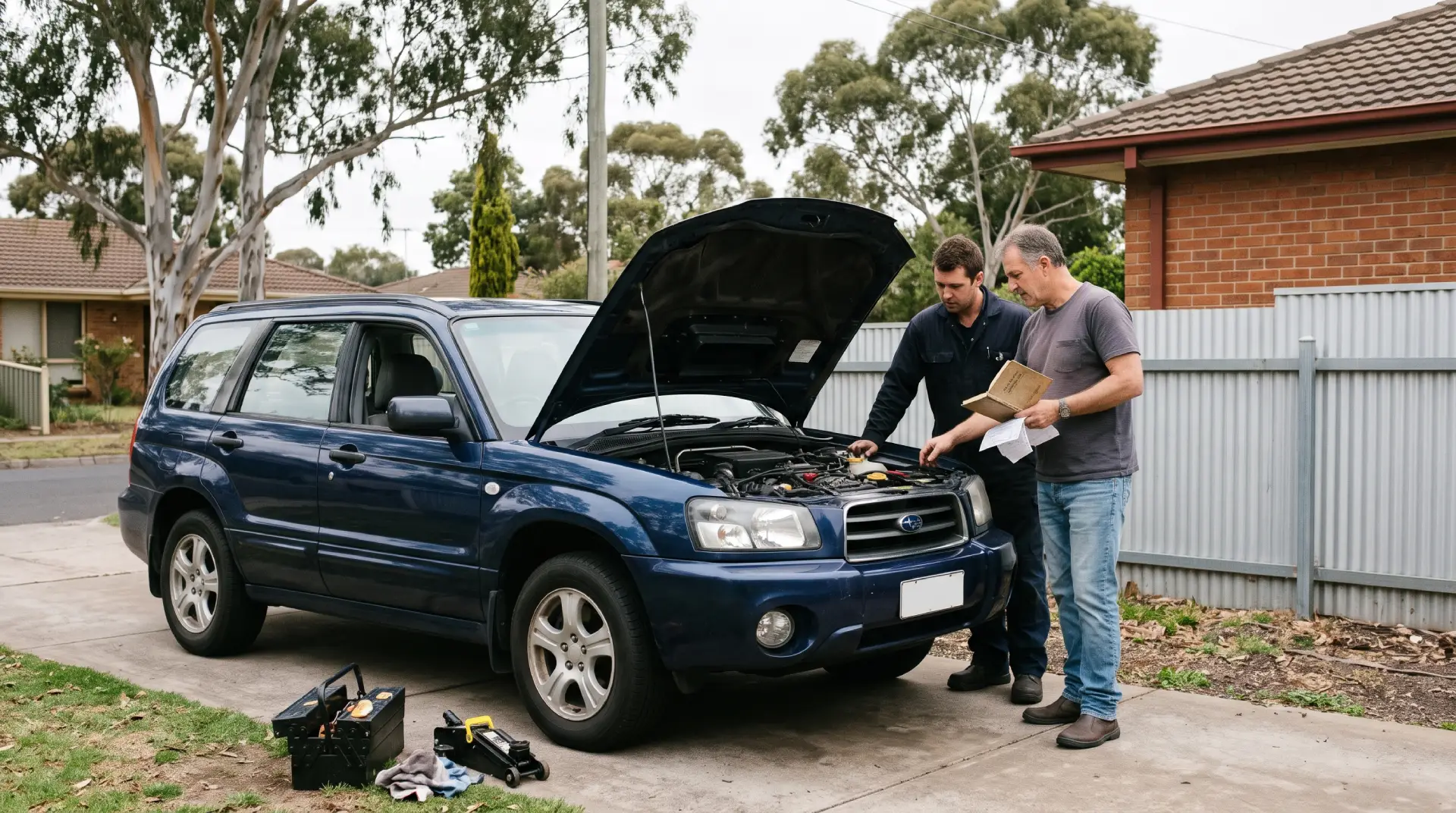
If you’re comparing used cars, arrange an independent vehicle inspection before you commit. Give the mechanic the service records and ask which findings would affect the purchase price or your first year of ownership.
What can you do to help an older car last longer?
Start with the service book for your exact model and engine. When working out how often to service your car, check both the date and the odometer reading on the last invoice. For example, Toyota’s servicing guidance tells owners to follow whichever limit comes first. If you tow regularly or drive in dusty conditions, check whether your handbook sets a shorter interval for that use.
Build a documented service history by keeping itemised invoices alongside the logbook stamps. A stamp shows that the car visited a workshop. The invoice can tell the next mechanic whether the timing belt was replaced, which leak was repaired or why the battery was tested. If the same symptom comes back, take that invoice to the workshop so the mechanic can see what was tried.
When is an older car worth repairing?
Get a written quote for the work your car needs now. Then ask your mechanic what else is likely to fall due over the next 12 months and what it might cost. For a recurring fault, ask what the workshop found this time that explains why the previous repair didn’t last.
Suppose the repair is $2,000, a suitable replacement costs $12,000 and you could sell your car for $5,000 in its current condition. Changing cars would take $7,000 up front, plus transfer costs. Now compare what each car is likely to cost you over the coming year. The replacement might need tyres and a major service of its own. Repeated days off the road might matter more if you rely on your current car for work.
If you decide to keep your car
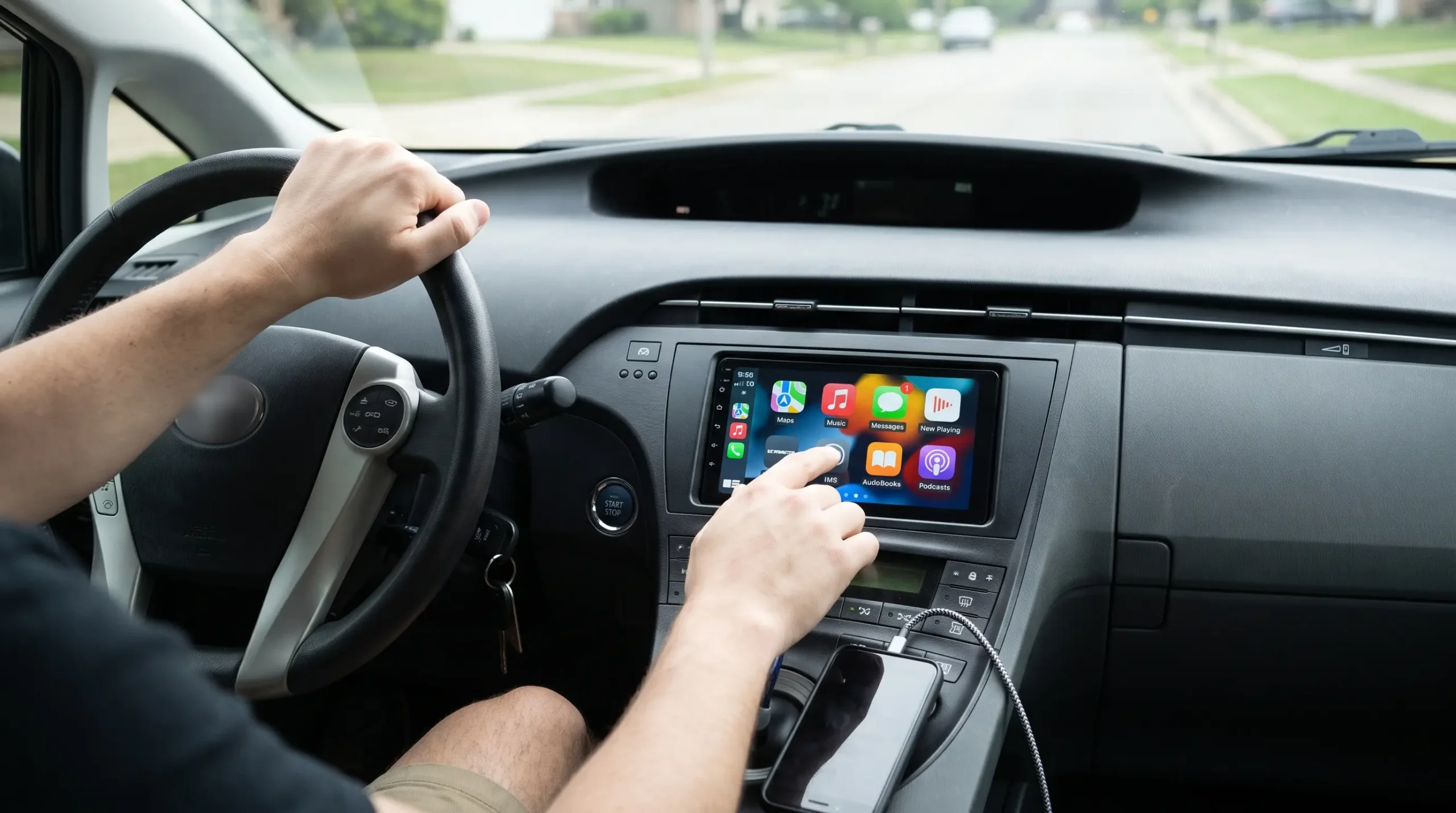
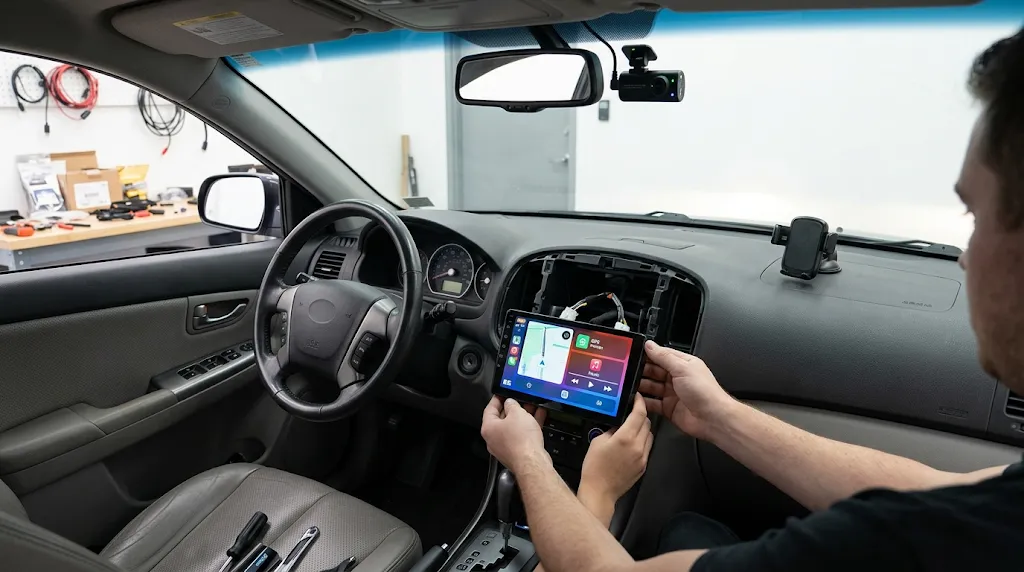
Once you know the car is mechanically sound, consider what you wish it did better. If its built-in maps are years out of date but it still handles your commute comfortably, a compatible Apple CarPlay or Android Auto upgrade can bring phone navigation to the dash. For other ways to modernise an older car, start with the feature you would actually use every day.
You can ask Seven Smart Auto’s Lidcombe team about compatibility by sending your car’s make, model, year and a photo of the dashboard. Ask which factory features you can retain before choosing an upgrade.
Frequently asked questions
Is 200,000 km too much for a used car?
It can still be worth considering if the inspection and service records support the asking price. If you drive 15,000 km a year and plan to keep it for three years, check the work scheduled between 200,000 and 245,000 km. That’s the stretch you’ll be paying for.
How can I check a used car’s kilometres if the logbook is missing?
Ask for dated workshop invoices or a digital service history. For a NSW-registered vehicle, a free registration check can also show the last three recorded odometer readings, where available. Compare those readings with the dashboard figure and ask the seller to explain any discrepancy before paying a deposit.
Does a replacement engine give the car a new lifespan?
A replacement engine changes one part of the picture. The transmission, suspension and body still have their own history. Ask for the installation invoice, the replacement engine’s recorded kilometres if known, and any warranty terms. Have the rest of the car assessed as well.
Does a NSW pink slip tell me how long a car will last?
A NSW pink slip confirms the car met the safety requirements at the time of inspection. If you’re buying it, a separate pre-purchase inspection can help identify wear and upcoming repairs worth budgeting for.