



When you’re eyeing a new car, what’s the first thing that grabs your attention? For many, it’s the sleek lines, the aggressive stance, or the dazzling paint job. We’re drawn to the exterior, the metallic shell that promises speed, style, or rugged adventure. But I’m here to tell you something crucial: the true heart of your driving experience, the silent orchestrator of your daily commute and epic road trips, lies within.
The car interior design isn’t just about plush seats or a fancy car dashboard; it’s a meticulously crafted environment that profoundly influences your mood, comfort, safety, and even your connection to the vehicle itself.
The True Value of Interior Design
Think about it. You spend 99% of your time inside your car, not admiring it from the curb. Yet, we often relegate interior design to an afterthought, a checklist of features rather than a holistic experience. This is a mistake. The interior is your personal bubble, your mobile office, your family’s transport hub, and sometimes, even your sanctuary from the world outside. Its design dictates how you interact with the machine, how you feel while doing so, and ultimately, how much you enjoy your time behind the wheel.
The Psychological Impact
It goes far beyond whether the seats are “comfortable.” A well-designed interior can reduce stress, enhance focus, and even contribute to a sense of well-being. Imagine navigating rush hour traffic in a cramped, noisy, poorly laid out cabin versus a serene, intuitively designed space where every control falls readily to hand, and the materials soothe your senses. The psychological difference is immense. It’s about creating an environment that supports you, rather than fatigues you. Colours, textures, lighting, and spatial arrangement all play a subtle yet powerful role in shaping your emotional state, making your journey either a chore or a pleasure.
The Evolution of Automotive Interiors
To truly appreciate where we are, it helps to understand where we’ve been. Automotive interiors haven’t always been the sophisticated spaces we know today.
From Utilitarian to Experiential: How We Got Here
In the early days of motoring, cars were essentially horseless carriages, exposed, rudimentary, and purely functional. Interiors consisted of little more than a bench car seat, a steering wheel, and a few basic levers. Comfort was a luxury, and aesthetics were secondary to getting from point A to point B.
Fast forward to the mid-20th century, and cars began to evolve into symbols of status and personal freedom. Interiors became more enclosed, offering protection from the elements. Padded dashboards, heaters, and radios started appearing, signaling a shift towards comfort and convenience. The 1950s and 60s saw flamboyant designs, often mirroring the exterior’s chrome and fins.
The real transformation into an “experiential” space began with the understanding that the car was becoming an extension of the home and office. The focus shifted from mere utility to creating a cohesive, user-centric environment. Today, designers aren’t just placing components; they’re crafting an immersive ecosystem designed for human interaction, well-being, and technological integration. It’s a testament to how our relationship with the automobile has deepened, demanding more than just transportation.
What Makes a Great Car Interior? The Pillars of Design Excellence
So, what separates a truly exceptional interior, often found in lists of best car interiors, from a merely adequate one? It boils down to a few critical pillars, each contributing to the overall harmony and functionality.
1. Ergonomics
This is the bedrock. Ergonomics isn’t just about adjustable seats; it’s about the intuitive placement of every button, knob, screen, and even practical elements like cup holders. It’s about the perfect sightlines to the road and instruments, the ease with which you can reach controls without straining, and the support offered by the seats on long journeys. Imagine reaching for a volume knob and finding it exactly where your hand expects it to be, or adjusting your climate without taking your eyes off the road for more than a fleeting moment. That’s good ergonomics at work, making the car feel like an extension of yourself, reducing fatigue and enhancing safety. Poor ergonomics, conversely, can lead to frustration, distraction, and discomfort.
2. Materials and Craftsmanship
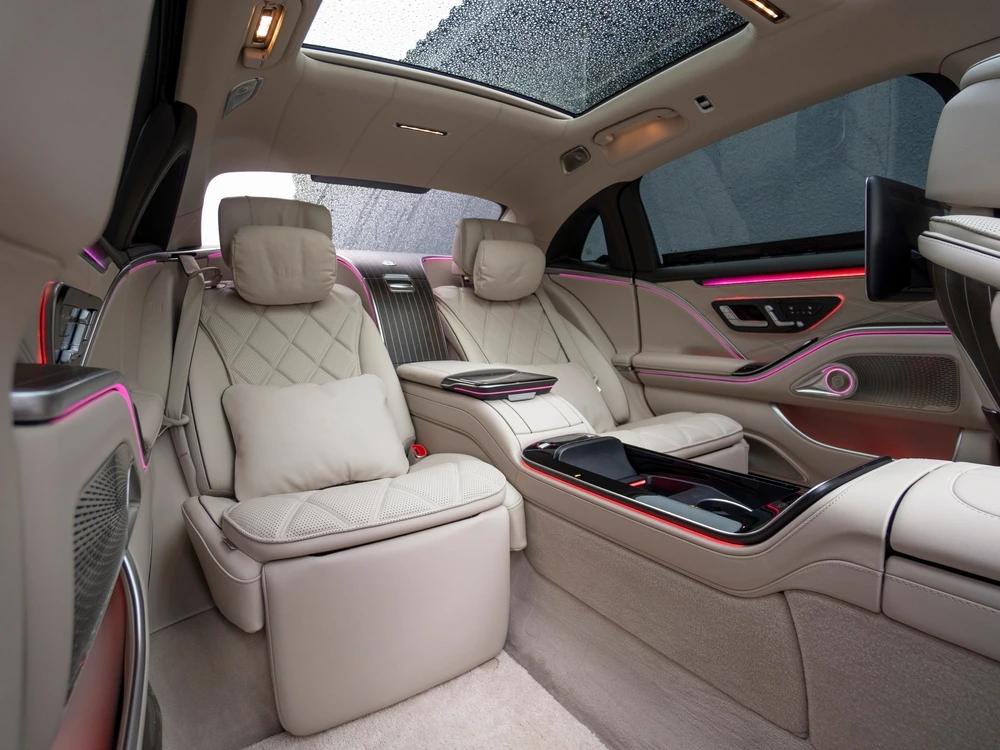
The tactile quality of an interior speaks volumes. Is the leather supple or stiff? Does the trim feel like genuine wood or cheap plastic? Are the stitches even and precise, or do they unravel? Materials and craftsmanship create the tangible experience that defines luxury, durability, and perceived quality. High-quality materials, thoughtfully applied and expertly assembled, elevate the entire cabin. It’s not just about expense; it’s about the choice of materials that resonate with the brand’s philosophy and the user’s expectations. A rugged off-roader might prioritise durable, easy-to-clean surfaces, while a luxury car would opt for exquisite leathers and polished metals. This sensory feedback directly influences how “premium” or “robust” a car feels.
3. Aesthetics and Ambience
Beyond function, an interior must appeal to the eye and the spirit. This is where aesthetics and ambience come into play. It’s the visual harmony of lines, shapes, and colours. It’s the subtle interplay of ambient lighting that sets the mood, the quiet hum (or blissful silence) that defines the cabin’s acoustics, and the overall sense of spaciousness or intimacy. A great interior creates an ambience, transforming the car from a functional tool into a personal sanctuary, whether it’s a family sedan, a sleek coupe, or a high-performance sports car. It’s about designing a space that feels inviting, calming, or exhilarating, depending on the car’s character. Think of a minimalist Scandinavian design that evokes calm, or a sporty, driver-focused cockpit that ignites excitement.
4. Technology Integration
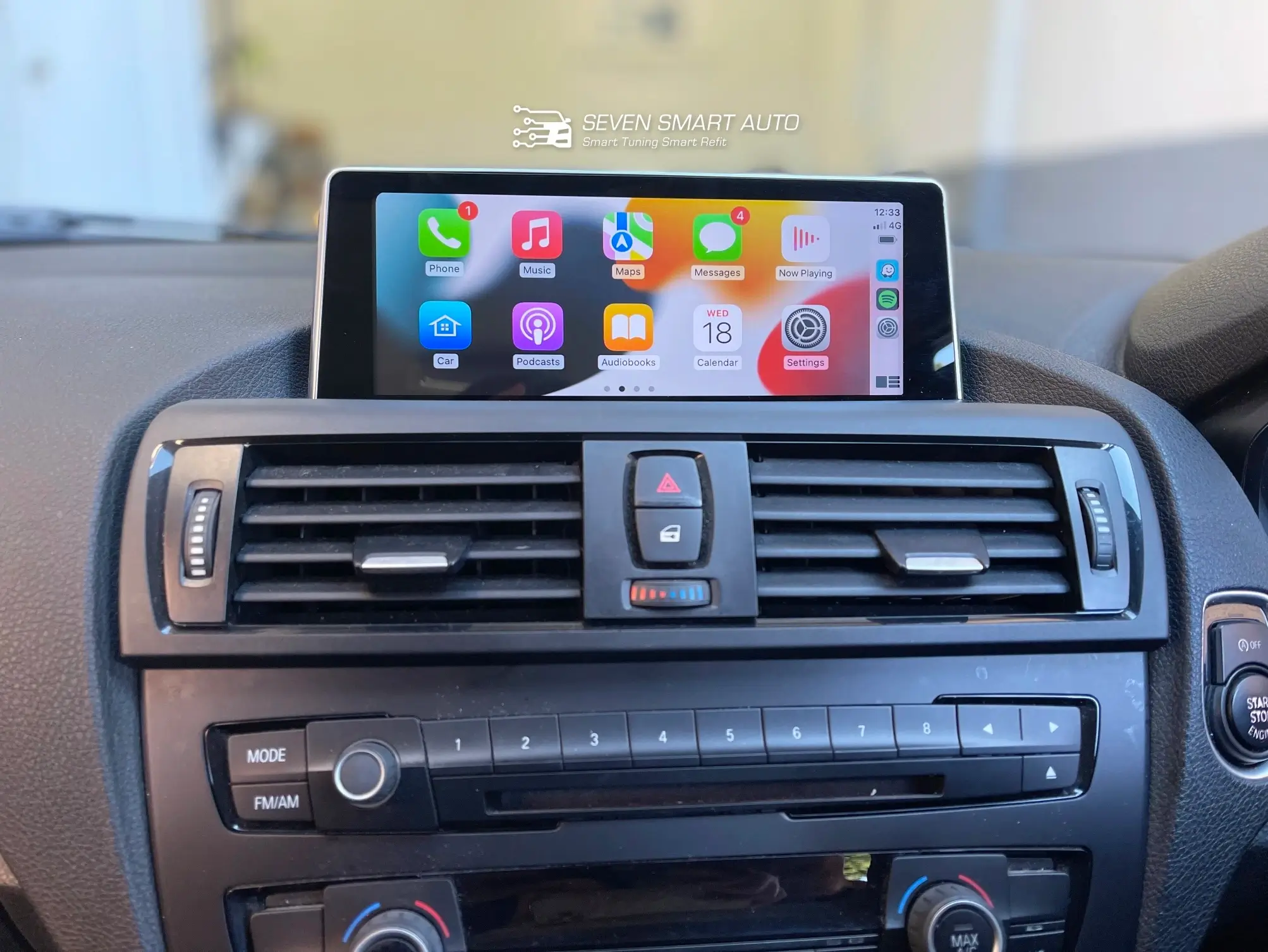
In today’s world, technology is non-negotiable, but how it’s integrated makes all the difference. Is the infotainment screen a seamless part of the dashboard architecture, or does it look like an afterthought, tacked on clumsily? Is the voice command system intuitive and reliable, or does it lead to frustration? Smart technology integration means making cutting-edge advanced features accessible, easy to use, and genuinely helpful, without overwhelming the driver with too much information or distracting them with overly complex interfaces. It’s about making technology serve the human, not the other way around, ensuring that connectivity, entertainment, and driver aids enhance the experience rather than detract from it.
The Unseen Impact: How Interior Design Drives Purchase Decisions
You might not consciously list “great interior design” as your top priority when buying a car, but believe me, it’s working its magic behind the scenes.
Emotional Connection
We buy with our hearts as much as our heads. When you first sit inside a car, that initial impression, the smell of the leather, the feel of the steering wheel, the visual sweep of the dashboard, creates an immediate emotional response. This “love at first sight” factor often seals the deal. A poorly executed interior can quickly break that spell, leaving a lasting negative impression that’s hard to overcome, regardless of how good the car is otherwise.
Brand Identity and Differentiation
In a world where many cars share similar powertrains and performance figures, the interior is a powerful differentiator. It’s where a brand can truly express its identity. Think of the understated elegance of a Volvo, the driver-focused precision of a BMW, or the futuristic minimalism of a Tesla. Each of these car brands, from Honda to high-end luxury makers like Audi, uses its interior design language to tell a story and create a distinct experience that sets it apart from competitors. This unique identity helps consumers connect with a brand on a deeper level.
Resale Value
Finally, a well-maintained, thoughtfully designed interior can significantly impact a car’s resale value. When a potential buyer opens the door, a clean, durable, and aesthetically pleasing cabin immediately signals that the car has been cared for and is of good quality. Worn-out, cheap-looking, or dated interiors, on the other hand, can quickly devalue a vehicle, regardless of its mechanical condition. It’s the lasting impression that extends beyond the initial purchase.
Emerging Trends: The Future of Automotive Interiors
The world inside our cars is evolving rapidly, driven by technological advancements, environmental concerns, and changing consumer expectations.
Sustainability
The days of purely leather and wood are shifting. We’re seeing a massive trend towards sustainable and innovative materials. Recycled plastics, vegan leathers made from cactus or mushroom fibres, wool blends, and bamboo are becoming increasingly common. This isn’t just about being “green”; it’s about offering a new kind of luxury that aligns with eco-conscious values, proving that sustainable can also be sophisticated and durable.
Personalisation
The future promises an even greater degree of personalisation. Imagine interiors that adapt to your mood, changing ambient lighting, scents, and even acoustic profiles. Modular interiors that can reconfigure themselves for different tasks, from a mobile office to a relaxation lounge, are on the horizon. It’s about making the car truly “yours,” akin to a custom car, a bespoke extension of your personal style and needs.
Autonomous Ready
Perhaps the most transformative trend is the advent of autonomous driving. When the car drives itself, the “driver’s seat” becomes an entirely different space. Steering wheels might retract, seats could swivel to face other passengers, and the interior could transform into a true living room on wheels. This shift demands a radical rethinking of spatial arrangement, safety considerations, and how we interact with the vehicle when the primary task of driving is removed.
The Bottom Line: Don’t Underestimate the Inner World
The next time you’re car shopping or simply stepping into your own vehicle, take a moment to truly appreciate the interior. It’s more than just a cabin; it’s a meticulously designed environment that impacts your life in profound ways. From the ergonomic layout that eases your commute to the luxurious materials that soothe your senses, and the integrated technology that keeps you connected, the inner world of your car is a testament to thoughtful design. Don’t underestimate its power; it’s where your journey truly comes to life.
Visit Seven Smart Auto to explore professional upgrades, from modern infotainment systems to smart interior enhancements tailored to your vehicle.