




In Australia, staying connected while driving often involves the use of a car phone holder, but placing it incorrectly can obstruct the driver’s view, increase accident risks, and lead to fines or demerit points. Understanding where is legal to put phone holder in car is crucial for maintaining both road safety and compliance with state regulations.
This article examines the legal guidelines for mobile phone holders in Australia, covering permitted mounting positions, restrictions for different driver categories, and best practices for safe usage.
Why Knowing Where Is Legal to Put Phone Holder in Car Matters
Before exploring specific laws, it’s important to understand why the proper placement of a mount holder for car devices is so critical. Obstructed vision is one of the leading contributors to distracted driving crashes. A poorly positioned magnetic car phone holder on your windscreen could block your blind spot, mirrors, or view of pedestrians, turning convenience into danger.
Moreover, incorrectly mounted devices can jeopardise insurance claims. Some insurers may reduce compensation if they determine a crash was linked to illegal phone use or improper device setup. Knowing where is legal to put phone holder in car is not just about compliance, it’s about protecting lives and your legal standing.
Are Car Phone Holders Legal in Australia?
Yes, car phone holders are legal in Australia, provided they adhere to road safety regulations designed to prevent driver distraction and maintain a clear line of sight.
Legal Requirements:
1. Secure Mounting
The phone must be secured in a commercially designed holder. Improvised or loosely attached mounts are not permitted, as they can become dangerous projectiles during sudden stops.
2. Unobstructed View
The holder must not obstruct the driver’s view of the road, mirrors, or dashboard controls. In NSW, for instance, it is recommended to place the mount in the lower right corner of the windscreen or the centre, below eye level.
3. Driver’s Aid Usage
Fully licensed drivers may use mounted phones for navigation, calls, and music control, provided the device is securely mounted and operated hands-free.
State-Specific Regulations:
Wherever you are, knowing where is legal to put phone holder in car will help you avoid unexpected penalties.
- New South Wales (NSW): $362 fine and 5 demerit points. If the offence occurs in a school zone, the fine increases to $481.
- Victoria: $577 fine and 4 demerit points for using a mobile device while driving.
- Queensland: $1,209 fine and 4 demerit points. Repeat offences within 12 months may attract double demerit points.
Where Can You Place a Phone Holder in a Car?
Choosing the correct mounting location for a phone holder for a car is crucial for maintaining visibility and legal compliance. The permitted mounting locations include:
Windscreen Mounts
- Legal if positioned in the lower right corner or the centre, below eye level.
- Avoid placing mounts directly in the line of sight.
Dashboard Mounts
- Keeps the phone within easy reach without blocking the windscreen.
- Avoid placing holders near airbags or central vents.
Air Vent Mounts
- An air vent phone holder allows eye-level access without obstructing the windscreen.
- Be cautious with heavy devices, which may damage the vent structure or fall.
Centre Console Mounts
- Provides convenient access to navigation or calls.
- May obstruct console controls or cup holders.
Prohibited Mounting Areas
Australian road laws prohibit mounting your mobile phone holder in locations that compromise safety or vehicle operation.
1. Where it obstructs the driver’s view of the road or mirrors
Placing a phone mount holder for car in the centre of the windscreen at eye level is a common mistake. Even small devices can partially block the field of vision, especially in smaller vehicles. Mounts should never interfere with a driver’s ability to see traffic signals, pedestrians, or surrounding vehicles.
2. In airbag deployment zones
Phone holders must not be mounted on or near panels where front or side airbags deploy. In the event of a collision, an object in the airbag path can become a dangerous projectile or impair the airbag’s ability to protect the occupant. This applies especially to dashboard mounts located above glove compartments or steering wheels.
3. Using suction mounts in unstable locations
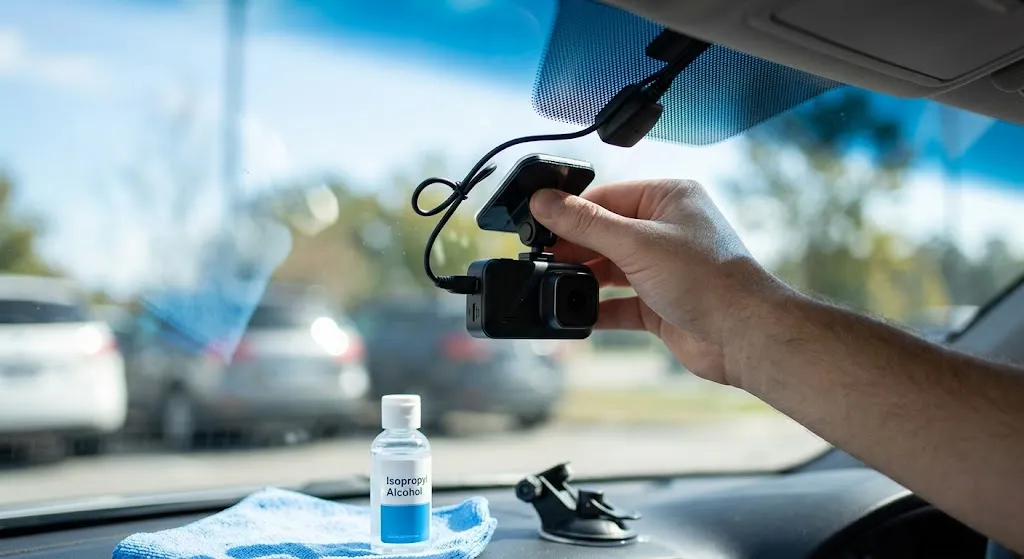
Suction phone mounts attached to textured or curved dashboard surfaces may lose grip over time. A dislodged phone can slide into control panels or onto the driver’s lap, creating a serious distraction mid-drive. Mounts should only be placed on flat, secure surfaces that have been cleaned and prepared to maintain adhesion.
While these rules may seem strict, they’re designed to reduce unnecessary risk and support safer driving conditions for all road users.
What Are the Restrictions on Phone Holders for Different Drivers?
1. Learner and Provisional Drivers (P1 and P2)
- L and P1 Drivers: Strictly prohibited from using mobile phones in any capacity, including hands-free or mounted devices.
- P2 Drivers: Permitted to use mounted phones for navigation only. Touching the screen remains illegal.
2. Fully Licensed Drivers
Drivers can use a phone mount holder for car for calls, music, and navigation if the device is securely mounted and used hands-free. However:
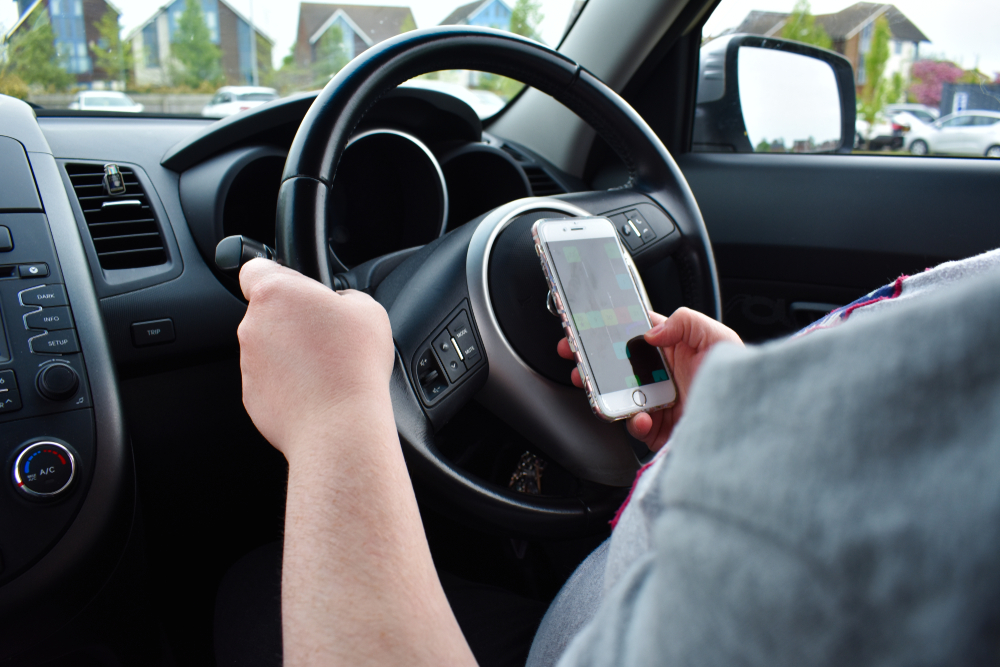
- Video calls, texting, or social media browsing are not allowed.
- Touching the screen while driving is an offence — voice commands and steering wheel controls should be used instead.
Using a Mobile Phone When Parked
Drivers may use a phone when parked, but
- The vehicle must be legally parked and not stopped in a no-stopping zone.
- The engine should be turned off if the driver plans to interact with the phone.
- Using a phone while stopped at traffic lights or in congested traffic is not considered “parked” and is still an offence.
Exemptions to Mobile Phone Use Rules
- Emergency Situations: If the driver needs to call emergency services and it is unsafe to park, phone use is permitted.
- Assistive Technology: Hands-free devices such as Bluetooth hearing aids are permitted when used without manual interaction.
- Commercial Drivers: May use GPS or dispatch screens if the device is mounted in a legally compliant position.
Additional Considerations for Car Phone Holders
While following the law is essential, choosing the best phone mount for car Australia can further improve your safety:
Material and Stability
Use holders made from high-grade ABS plastic or silicone. Poor materials lose grip over time and pose a hazard.
Mounting Type
- A suction phone mount offers strong adhesion but requires clean, flat surfaces and regular maintenance.
- A magnetic car phone holder provides fast placement but may not support larger phones or cases.
Cable Management
If using a car phone charger, secure cables away from gearsticks and steering components using clips or cable sleeves.
Device Compatibility
Always check the holder’s size limits, weight capacity, and compatibility with phone cases and wireless charging.
Smartwatches and Driving – Are They Included in the Rules?
Yes, smartwatches are subject to the same road rules as mobile phones under Australian law. Although smaller and often more discreet, they still pose a risk of distraction when used improperly.
Touching a smartwatch while driving is illegal
This includes tapping the screen, scrolling through apps, reading messages, or interacting with notifications while the vehicle is moving. Just like with a mobile phone, any form of manual use can divert attention from the road and lead to an offence.
Hands-free use is permitted with limitations
Drivers are allowed to use voice-activated features or passively receive alerts, such as haptic feedback or audible directions from a navigation app. However, the driver must not glance at or operate the device while driving—even brief visual checks can be considered distractions.
Legal consequences for misuse
Penalties vary by state, but fines typically range from $362 to $1,161, accompanied by 4 to 5 demerit points. Repeat offenders may risk licence suspension, especially if smartwatch use contributes to a driving hazard.
While smartwatches offer convenience, they must be used responsibly. Drivers should consider enabling “Do Not Disturb While Driving” modes or disabling non-essential notifications to reduce temptation and keep their attention where it matters—on the road.
Police Guidelines on Hands-Free Devices
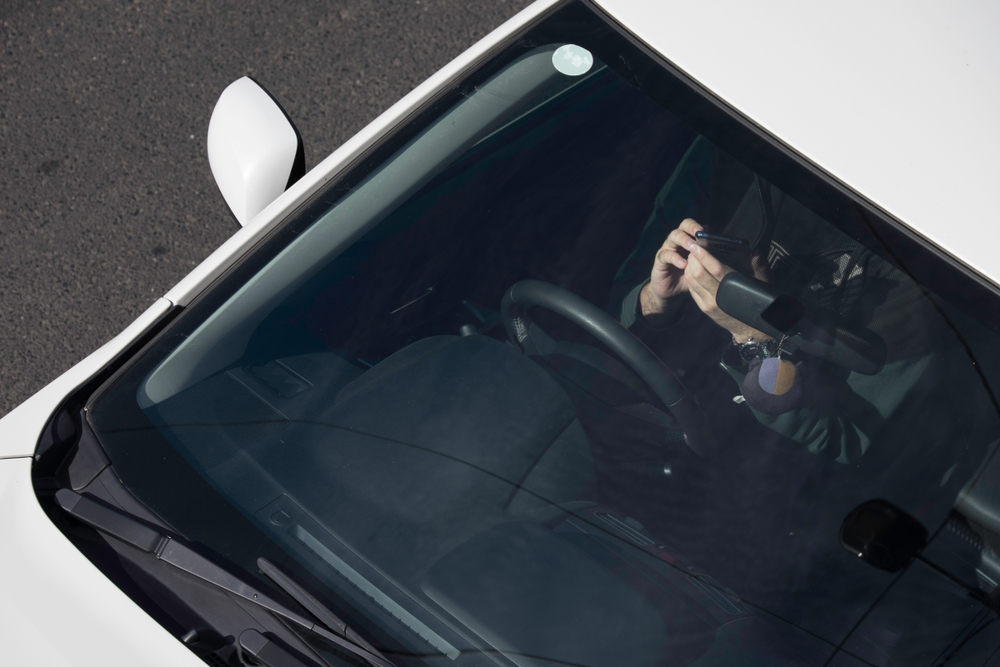
Even when using a hands-free device, distraction remains a concern. According to police:
- Only brief, simple conversations are encouraged.
- Long, emotionally charged, or complex calls are discouraged, even if you’re not touching the phone.
- Detection cameras and unmarked vehicles are used to identify illegal use.
Staying Compliant with Phone Holder Laws in Australia
Knowing where is legal to put phone holder in car is critical to staying safe and avoiding fines. From dashboard-friendly suction phone mounts to compact air vent phone holders, placement must always keep your view clear and your hands off the device.
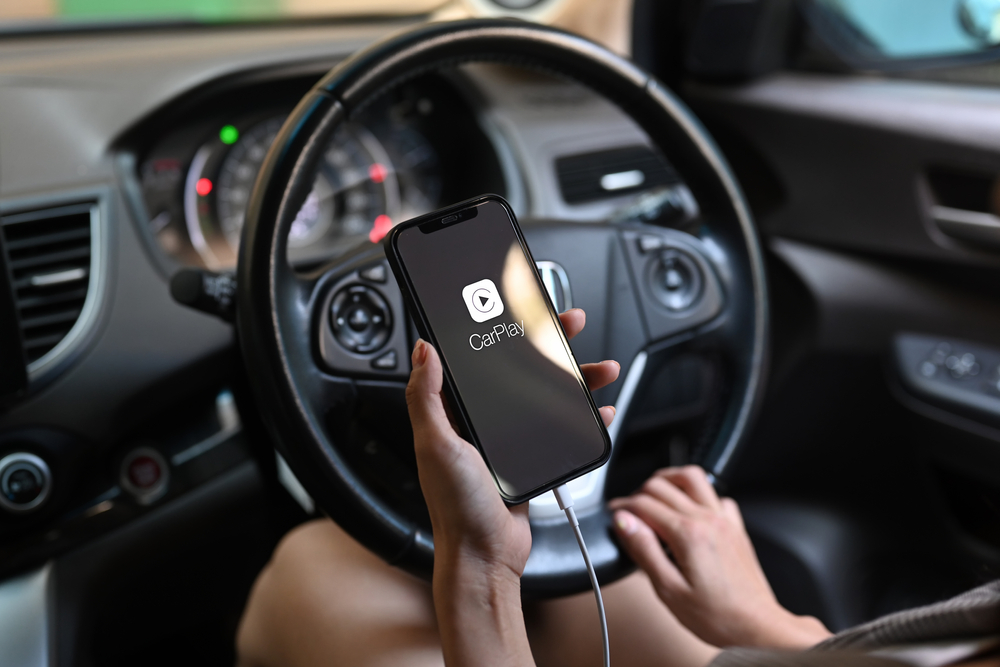
While physical mounts remain a useful option, drivers may also benefit from integrated in-car systems that reduce the need to handle their phone altogether.At Seven Smart Auto, we offer professional solutions like Apple CarPlay and Android Auto installation, designed to keep your focus on the road while staying legally connected.