




Remember the anxiety of parallel parking on a busy street, inching closer and closer to that car behind you, holding your breath, and praying you don’t hear the dreaded crunch? Or the heart-stopping moment you nearly backed into a low bollard you simply couldn’t see? For many of us, parking, especially in tight spots, is less a routine manoeuvre and more a high-stakes game of inches.
But what if you had an invisible co-pilot, whispering warnings and showing you exactly how much space you have? That’s precisely what parking sensors offer. They’ve transformed a common source of driving stress into a far more manageable, and often even enjoyable, experience. Let’s pull back the curtain and explore the ingenious technology that makes this magic happen.
Why Sensors Became Essential
For decades, parking was solely a matter of driver skill, experience, and sometimes, sheer luck. We relied on mirrors, turning our heads, and developing an almost mystical “feel” for the size of our vehicle. This worked, to a degree, but it was far from perfect. Blind spots are a significant challenge. Modern car designs, with their increasingly complex aerodynamics and safety features, have sometimes made rear visibility even more restricted.
The consequences of misjudging distance are more than just cosmetic. Minor fender benders in parking lots are a daily occurrence, leading to frustrating insurance claims, costly repairs, and wasted time. More seriously, backing accidents involving pedestrians, especially children or small animals, are tragic events that highlight the critical need for enhanced situational awareness around a vehicle.
Parking sensors address these challenges by improving driver awareness when entering parking spaces, monitoring surroundings during reverse parking, and helping manage limited parking time in busy areas.
How Parking Sensors Work
At their core, parking sensors are sophisticated detectors that measure the distance between your vehicle and nearby objects. But how do they do this without any visible beams or lasers? The answer lies in two primary technologies, each with its own clever approach to sensing the environment.
Ultrasonic Sensors
Imagine a bat navigating a cave, or a submarine mapping the ocean floor. They both use sound waves to “see” their surroundings. This is the exact principle behind ultrasonic parking sensors, which are the most common type you’ll encounter.
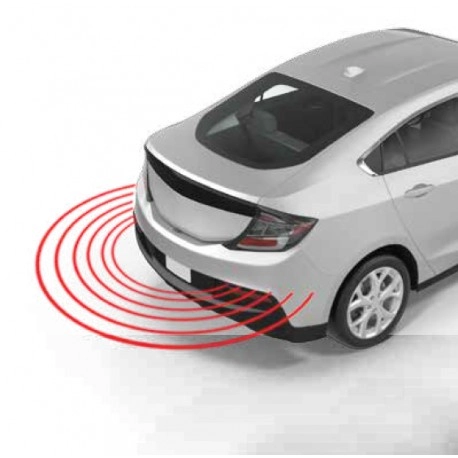
Dotted along your bumper, these small, often discreet, puck-like sensors are actually miniature speakers and microphones rolled into one. When you engage reverse gear (or sometimes drive, for front sensors), the control unit sends a signal to these sensors, prompting them to emit a burst of high-frequency sound waves – far beyond the range of human hearing.
These sound waves travel outwards from the sensor. If they encounter an obstacle, a wall, another car, a person, or a low curb, they bounce off it and return to the sensor. The sensor then “listens” for this returning echo. Since the speed of sound is known, the system can precisely calculate the distance to the object using the formula:
distance = (speed of sound × time taken) / 2
As your vehicle gets closer to an obstacle, the time for the echo to return decreases. This change in time is directly translated into the familiar beeping pattern that accelerates as you approach danger, eventually becoming a continuous tone when you’re just inches away. It’s like a sonic tape measure, constantly updating in real-time.
Electromagnetic Parking Sensors
While ultrasonic sensors are about sound, electromagnetic parking sensors operate on a completely different principle, often working in complete silence until an object is detected. Instead of emitting sound waves, these sensors create an electromagnetic field around your bumper. Think of it like an invisible, sensitive force field extending outwards.
These sensors typically consist of a continuous strip of metallic foil or wire tape adhered to the inside of your bumper. When the system is activated, an electrical current flows through this strip, generating a low-level electromagnetic field. When an object, especially one with a conductive surface like another vehicle’s metal bumper, enters this field, it causes a disturbance or change in the field’s characteristics.
The system detects these changes: the closer the object comes, the more significant the disturbance. This change is translated into a distance measurement. Unlike ultrasonic sensors, which emit pulses and listen for echoes, electromagnetic sensors maintain a constant field and monitor for interruptions. This makes them effective at detecting objects very close to the bumper and less susceptible to dirt or ice build-up.
The Brain Behind the BEEP: How the System Processes Information
Neither ultrasonic nor electromagnetic sensors are particularly useful on their own. They’re just collecting raw data. The real intelligence of a parking sensor system lies in the central processing unit that takes this data, interprets it, and presents it to you in an intuitive, actionable way.
The Control Unit
Every parking sensor system has a central control unit – essentially a small computer – tucked away somewhere in the vehicle’s electrical system. This unit is the brain. It’s constantly receiving signals from each individual sensor, whether they’re echo times from ultrasonic sensors or field disturbances from electromagnetic ones.
Here’s where the real processing power comes in. The control unit analyses these incoming signals, filtering out irrelevant noise and performing the necessary calculations to determine the precise distance to each detected object. It also identifies which sensor detected the object, allowing it to pinpoint the object’s location relative to your car (e.g., “object behind the rear-left sensor”).
But it doesn’t stop there. The control unit is also programmed with thresholds. It knows that when an object is 60 inches away, it should start beeping slowly. At 30 inches, the beeps should speed up. And at 10 inches, it’s time for a continuous tone. It orchestrates the entire feedback mechanism, ensuring that the warnings escalate appropriately, giving you time to react and adjust.
The Display and Audio Feedback
The interpretation done by the control unit is then translated into information that the driver can easily understand. This typically comes in two main forms:
- Audio Feedback: This is the most common and crucial. The pitch and frequency of beeps correspond to how close an obstacle is. Slow beeps indicate a safe distance, faster beeps signal increasing proximity, and a continuous tone means you are extremely close. This allows drivers to focus on mirrors and surroundings without looking away.
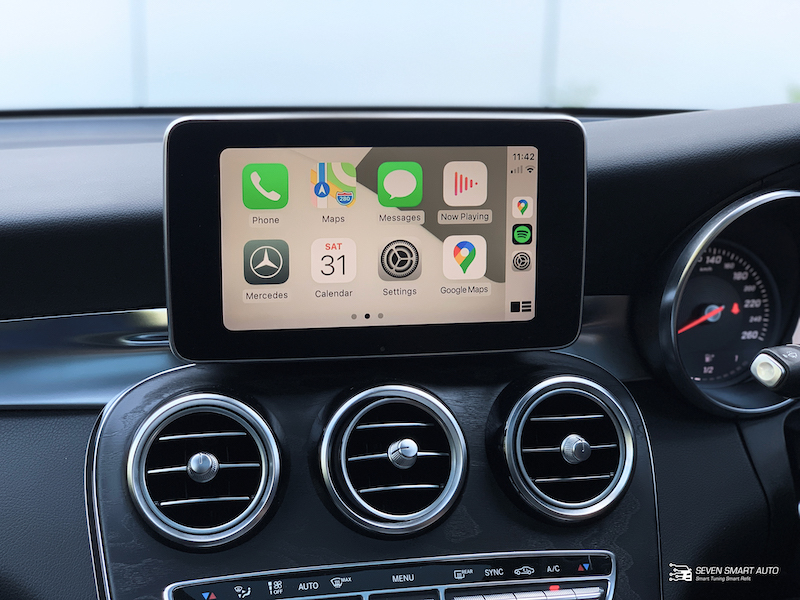
- Visual Feedback: Many systems also include a visual display on the infotainment screen, rearview mirror, or dashboard. It typically shows a graphic of the car with colored bars indicating obstacle location and distance—green for clear, yellow for caution, and red for danger. Some systems also display numerical distance readings, helping with precise spatial awareness.
Together, these audio and visual cues act as your digital co-pilot, providing a comprehensive and intuitive warning system that significantly reduces the stress and risk associated with tricky parking manoeuvres.
Advanced Parking Sensor Systems
While the basic beeping and visual displays are incredibly helpful, parking sensor technology hasn’t stood still. Modern vehicles, especially those in premium segments, integrate these sensors into far more sophisticated systems that take convenience and safety to the next level.
Visual Aids: Graphic Displays and Cameras
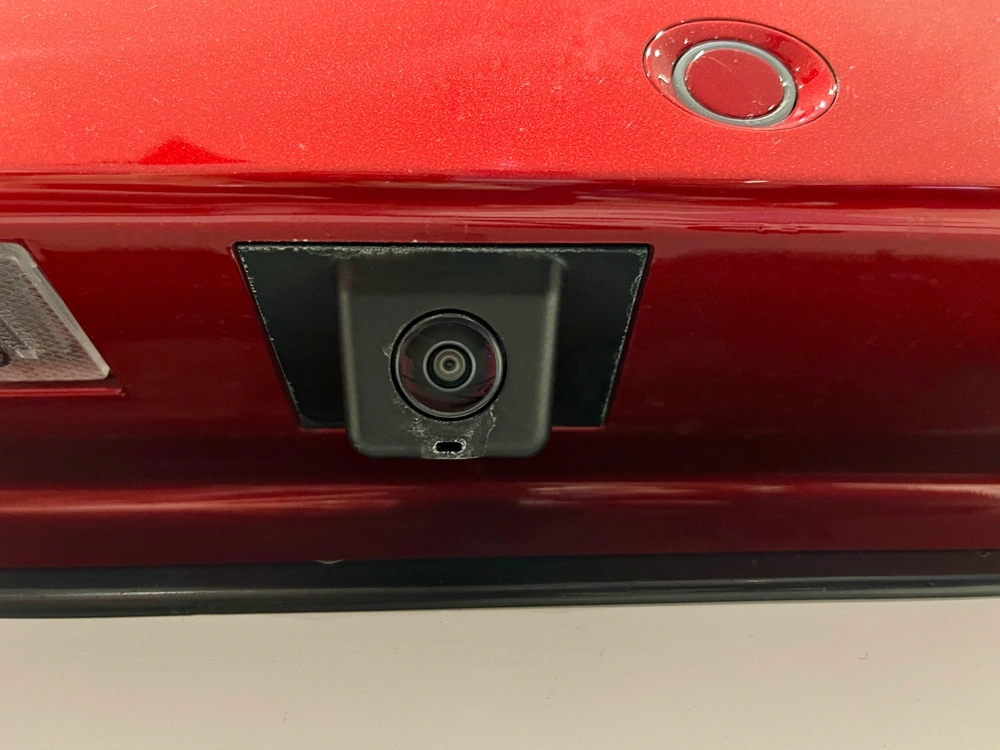
Building on the basic visual feedback, advanced systems often pair parking sensors with cameras. A rearview camera, now standard on most new vehicles, provides a live video feed of what’s directly behind your car. This visual context is invaluable, allowing you to identify the specific object the sensors are detecting – is it a curb, a pole, or a child’s toy?
Overlaying the camera feed, many systems display dynamic guidelines that bend with your steering wheel, showing your projected path. When combined with sensor readings, you get a powerful, multi-modal view of your parking situation. Some cars even offer a 360-degree bird’s-eye view, stitching together images from multiple cameras around the vehicle, giving you an unparalleled perspective of your car’s immediate surroundings. This completely eliminates blind spots and provides a God’s-eye perspective on tight manoeuvres.
Automatic Parking Assist: The Car Parks Itself?
Perhaps the most impressive evolution of parking sensor technology is the advent of automatic parking assist systems. This is where the car doesn’t just warn you; it actively helps you steer into a space, or in some cases, even handles the accelerator and brakes too.
Here’s how it generally works: You drive slowly past a potential parking spot. The car’s sensors (often a combination of ultrasonic and radar sensors) measure the size of the space. If it’s big enough, the system will notify you. You then engage the parking assist feature and follow the on-screen instructions, which typically involve controlling the gear selection (drive, reverse) and sometimes the throttle and brake. The car takes over the steering, expertly guiding itself into space. Some more advanced systems even control the acceleration and braking, performing the entire manoeuvre autonomously while you simply monitor.
This isn’t magic; it’s a sophisticated integration of parking sensors, electronic power steering, and advanced algorithms working in harmony. The sensors precisely map the environment, the computer calculates the optimal steering angle, and the electronic power steering executes the turns with a precision few human drivers can match. It’s a true testament to how far these humble sensors have come.
What Parking Sensors Can and Can’t Do
While parking sensors are incredibly useful, it’s crucial to understand that they are assistive technologies, not replacements for driver vigilance. Like any system, they have their strengths and weaknesses.
Limitations to Be Aware Of
No technology is foolproof, and parking sensors are no exception. Here are some common limitations:
- Sensor Blind Spots: Very thin, low, or high objects may fall outside detection ranges. Electromagnetic sensors may struggle with thin, non-metallic objects.
- Dirty/Obstructed Sensors: Dirt, ice, snow, or even a thick layer of mud on an ultrasonic sensor can block its ability to emit and receive sound waves effectively, leading to false readings or complete failure to detect.
- Soft/Sound-Absorbing Materials: Objects made of soft, sound-absorbing materials (like thick bushes, freshly fallen snow, or dense foam) can sometimes absorb ultrasonic waves rather than reflecting them, making them harder for the sensors to detect accurately.
- Rain and Weather: Heavy rain can sometimes interfere with ultrasonic waves, causing spurious reflections and potentially leading to false alarms.
- Time Lag: While modern systems are very fast, there’s always a minuscule time lag between detection and feedback. Moving too quickly into a tight spot can still result in a bump before the system can react and warn you adequately.
- System Malfunctions: Like any electronic component, sensors or the control unit can malfunction, leading to incorrect readings or complete system failure.
Using Sensors Wisely
Understanding these limitations isn’t about diminishing the value of parking sensors; it’s about using them intelligently. Think of them as an extra pair of eyes and ears, not a substitute for your own.
- Always Look: Continue to use your mirrors and turn your head. Check your surroundings thoroughly, especially for children, pets, or very small objects that might be out of a sensor’s typical range.
- Go Slow: The slower you go, the more time the sensors have to detect objects and the more time you have to react to their warnings.
- Keep Them Clean: Regularly check and clean your sensors, especially in winter or after driving through muddy conditions, to ensure optimal performance.
- Don’t Over-Rely: If the sensors are giving you a continuous tone, trust them. But if you have any doubt, get out of the car and visually check the space. Your eyes are still the ultimate sensor.
By combining the invaluable information from your sensors with your own observations and judgment, you unlock the full potential of these systems, making parking safer and significantly less stressful.
Troubleshooting Common Parking Sensor Issues
Even the best technology can occasionally act up. If your parking sensors start behaving unusually, don’t panic. Many common issues have straightforward explanations and solutions.
False Alarms and Sensor Blind Spots
- False Alarms (Phantom Beeps): This is one of the most common complaints.
- Causes: Dirt, snow, or ice buildup on the sensor face is a primary culprit for ultrasonic sensors. Heavy rain can also cause spurious reflections. Sometimes, a very small, thin object (like a blade of grass or a loose leaf) might momentarily trigger a sensor. Even high-frequency sounds from other vehicles or machinery can occasionally interfere.
- Solution: First, ensure all sensors are spotless. Wipe them clean with a soft cloth. If the problem persists in clear weather, it might indicate a faulty sensor or wiring, requiring professional diagnosis.
- Sensor Blind Spots: The car hits something the sensors should have seen, but didn’t.
- Causes: As discussed, extremely narrow objects (thin poles), very low objects (curbs below sensor height), or very high objects can fall outside the sensor’s beam pattern. Soft materials that absorb sound (like bushes or snowdrifts) can also be missed by ultrasonic sensors.
- Solution: Understand your system’s limitations. Always visually check your surroundings, especially for the types of objects sensors are known to struggle with. Go slowly, and if in doubt, get out and look.
Maintenance Tips for Optimal Performance
Keeping your parking sensors in top working order is simple and requires minimal effort:
- Keep Them Clean: This is the golden rule. During your regular car wash, pay extra attention to wiping down the sensor faces on your bumpers. Remove any dirt, mud, snow, or ice. A microfiber cloth and car soap are usually sufficient. Avoid harsh abrasives or high-pressure sprays directly on the sensors, which could damage them.
- Inspect for Damage: Periodically check your sensors for any visible signs of damage, such as cracks, loose fittings, or paint chips. A sensor that’s been bumped or scraped might not function correctly.
- Avoid Painting Aftermarket Sensors (Unless Specified): If you have aftermarket ultrasonic sensors, be cautious about painting them. A thick coat of paint can impede their ability to transmit and receive sound waves. If you must paint them to match your bumper, use very thin coats of automotive paint designed for plastics, and ensure the paint doesn’t clog the tiny openings on the sensor face. Electromagnetic sensors are less affected by paint.
- Check Wiring (Aftermarket): If you have an aftermarket system and experience issues, a quick visual check of the wiring to ensure it hasn’t come loose or been damaged can sometimes identify a simple problem.
- Professional Check-Up: If you’re experiencing persistent issues that cleaning doesn’t resolve, or if a sensor seems completely dead, it’s best to have a qualified mechanic or auto electrician diagnose the problem. They can use diagnostic tools to identify faulty sensors or wiring issues.
By following these simple maintenance tips and understanding the potential pitfalls, you can ensure your parking sensors remain a reliable and stress-reducing aid for years to come.
Are Parking Sensors a Must-Have? Weighing the Benefits
After exploring the clever technology and practical applications of parking sensors, the final question often boils down to: are they truly essential? While “essential” might be strong for every driver, its benefits are undeniable and compelling.
Enhanced Safety and Reduced Stress
The most immediate impact of parking sensors is improved safety. Many parking-lot accidents occur at low speeds but can still cause damage or involve pedestrians, especially children in blind spots. Parking sensors provide early audio and visual warnings before contact occurs, significantly reducing the risk of collisions and helping protect vehicles, property, and lives.
Beyond safety, parking sensors greatly reduce stress. Tight garages, parallel parking, or backing out of crowded driveways can be anxiety-inducing. Having a system that constantly monitors your surroundings builds confidence, allowing you to focus on steering rather than worrying about inches, resulting in a more relaxed driving experience.Protecting Your Vehicle (and Your Wallet)
Let’s talk about the practical, financial benefits. Even a minor parking ding can be surprisingly expensive to repair. A scraped bumper, a cracked taillight, or a dented fender can easily run into hundreds, if not thousands, of dollars. These repairs not only hit your wallet directly but can also affect your car’s resale value and potentially increase your insurance premiums.
Parking sensors are an investment in preventative care. By helping you avoid these common parking mishaps, they effectively pay for themselves over time, often after just one averted incident. They help keep your vehicle in pristine condition, maintaining its aesthetic appeal and its value.
Final Thoughts: Are Parking Sensors Worth It?
From navigating shopping centres to tight residential streets, parking sensors significantly reduce stress and damage risk. They protect your vehicle, your wallet, and your confidence behind the wheel.
Just remember this final disclaimer: sensors assist but do not replace attentive driving. Combined with mirrors and careful observation, they make parking safer, faster, and far less frustrating.
Looking to make parking safer and stress-free? Explore parking sensors, advanced parking systems, and driver-assistance upgrades at Seven Smart Auto. Visit Seven Smart Auto to discover reliable solutions designed for Australian roads, with expert support and quality you can trust.