




The OBD on board diagnostics port is one of the most essential access points for vehicle diagnostics, maintenance, and performance monitoring. Short for On-Board Diagnostics, OBD technology enables vehicles to self-monitor operations, detect faults, and provide real-time information to assist with repairs, emissions control, and efficiency improvements.
Whether you drive petrol vehicles, diesel vehicles, hybrids, or electric models, your vehicle’s OBD system is crucial for identifying faults early and ensuring safe operation in line with strict emission standards set by regulators such as the European Union. Central to this system is the OBD port, a standardised connector offering access to diagnostic information and performance data.
Evolution of On-Board Diagnostics
The concept of on-board diagnostics originated in the 1980s, with early systems providing basic fault detection primarily for emissions control. However, these systems varied by manufacturer and lacked standardisation.
The introduction of OBD II in the mid-1990s marked a significant advancement. Standardised connectors, communication protocols, and diagnostic trouble codes (DTCs) were established, making diagnostics more accessible across all modern vehicles. Today, the OBD on board diagnostics port serves as the universal access point for vehicle monitoring and fault identification.
Locating the OBD On Board Diagnostics Port
The OBD port is usually located within easy reach of the driver’s seat. Common placements include:
- Beneath the steering wheel, near the steering column
- Below the dashboard on the driver’s side
- Near the centre console or transmission components
The port is typically labelled “OBD-II” or “Data Link Connector (DLC)”. To locate it precisely, consult the vehicle’s owner’s manual, especially in Asian vehicles, European Union models, or vehicles built by major manufacturers such as General Motors.
Communication Protocols and Technical Standards
The OBD port supports multiple communication protocols, essential for connecting diagnostic tools to vehicle systems. Common protocols include:
- Controller Area Network (CAN)
- Keyword Protocol (KWP)
- ISO 9141-2 for Asian vehicles
- ISO 15765-4, a key CAN-based standard
The port’s 16-pin configuration, defined by ISO 15031-3, includes dedicated connections for battery voltage, ground, and data communication. Protocols such as CAN enable high-speed data exchange, allowing seamless system monitoring, fault detection, and real-time performance analysis.
Accessing Diagnostic Data and Real-Time Information
Using a diagnostic scan tool, technicians and vehicle owners can retrieve critical data from the OBD port, including:
- Diagnostic trouble codes (DTCs) indicating faults
- Freeze frame data captures vehicle conditions at fault occurrence
- Real-time data such as vehicle speed, fuel level, and engine status
- The vehicle identification number (VIN) for system identification
- Parameter IDs (PIDs) provide in-depth performance insights
These capabilities help diagnose faults efficiently, enabling preventative maintenance and supporting compliance with emission standards.
The Role of Controller Area Network (CAN)
The Controller Area Network (CAN) connects various vehicle control units, facilitating real-time data exchange. This system enhances:
- Precision in diagnostics and fault detection
- Functionality of safety systems and advanced driver assistance
- Management of fuel economy and emissions
Virtually all OBD II-compliant vehicles now use CAN, making diagnostics more accurate and contributing to overall vehicle performance.
ISO Standards and Unified Diagnostic Services (UDS)
Global ISO standards ensure consistent diagnostic processes across vehicles. These include:
- ISO 9141-2 for older European and Asian vehicles
- ISO 15765-4, the cornerstone of CAN diagnostics
- Support for unified diagnostic services (UDS), enabling advanced functions such as remote diagnostics, system reprogramming, and monitoring of high-voltage components in electric vehicles
These standards promote compatibility of diagnostic scan tools, simplifying diagnostics across diverse vehicles.
Practical Applications for Everyday Drivers
Beyond professional workshops, the OBD offers value to everyday drivers. Affordable mobile apps and scan tools enable users to:
- Track fuel efficiency and driving habits in real-time
- Monitor battery voltage to predict electrical failures
- Access trouble codes for peace of mind when the check engine light illuminates
- Optimise performance in both petrol vehicles and diesel vehicles
Fleet managers utilise OBD data for vehicle tracking and maintenance scheduling, while enthusiasts use it to monitor engine performance and identify opportunities to enhance fuel economy.
Emissions Control and Environmental Impact
The OBD on board diagnostics port plays a pivotal role in reducing vehicle emissions. The system monitors components such as oxygen sensors, catalytic converters, and exhaust systems. Faults trigger diagnostic trouble codes, prompting timely repairs that reduce emissions and ensure compliance with environmental regulations.
In regions like the European Union, regular emissions testing relies on OBD data to verify vehicle compliance, supporting air quality improvement efforts.
Data Link Connectors: Technical Insights and Global Variations
While the 16-pin trapezoidal OBD2 port is widely standardised, subtle variations exist in data link connector implementations across regions and vehicle types. These differences often relate to pin configurations for proprietary communication protocols, especially among vehicle manufacturers implementing unique diagnostic features.
For instance, some vehicles use manufacturer-specific pins to support enhanced diagnostics for safety systems, transmission components, or even driver assistance features. Additionally, commercial vehicles or vehicles built for export to certain markets may retain legacy connector types alongside standard OBD ports.
Technicians servicing such vehicles must understand these connector variations to ensure compatibility with diagnostic scan tools and to access the full range of diagnostic data available.
International OBD Regulations and Market Compliance
Global markets have adopted varying timelines for OBD II compliance, affecting vehicles sold worldwide. In North America, OBD II became mandatory for most light-duty vehicles from 1996 onwards, while the European Union phased in requirements for petrol vehicles by 2001 and diesel vehicles by 2004.
Emerging markets, including parts of Asia and South America, have adopted OBD systems at different rates. Some countries require only basic fault monitoring, while others mandate full OBD II compatibility, including emissions control and safety systems diagnostics.
Understanding these regulatory differences is essential for automotive engineers, repair technicians, and owners of imported vehicles, ensuring appropriate diagnostic procedures and emissions compliance.
Predictive Maintenance and OBD Data Analytics
The future of vehicle maintenance increasingly relies on predictive diagnostics, powered by real-time data obtained through the OBD on board diagnostics port. Rather than waiting for a fault to trigger the check engine light, predictive systems analyse trends in diagnostic data to identify components likely to fail in the near future.
For example, continuous monitoring of battery voltage, fuel efficiency fluctuations, or unusual parameter IDs can alert technicians to potential issues before they cause breakdowns. Predictive maintenance reduces vehicle downtime, enhances safety, and lowers total repair costs for vehicle owners and fleet managers alike.
Advanced workshops and manufacturers are now incorporating OBD data into cloud-based platforms, providing remote diagnostics, vehicle tracking, and maintenance scheduling capabilities. This transformation supports safer, more reliable vehicles while reducing environmental impact through optimised performance.
The Role of OBD in Electric and Hybrid Vehicles
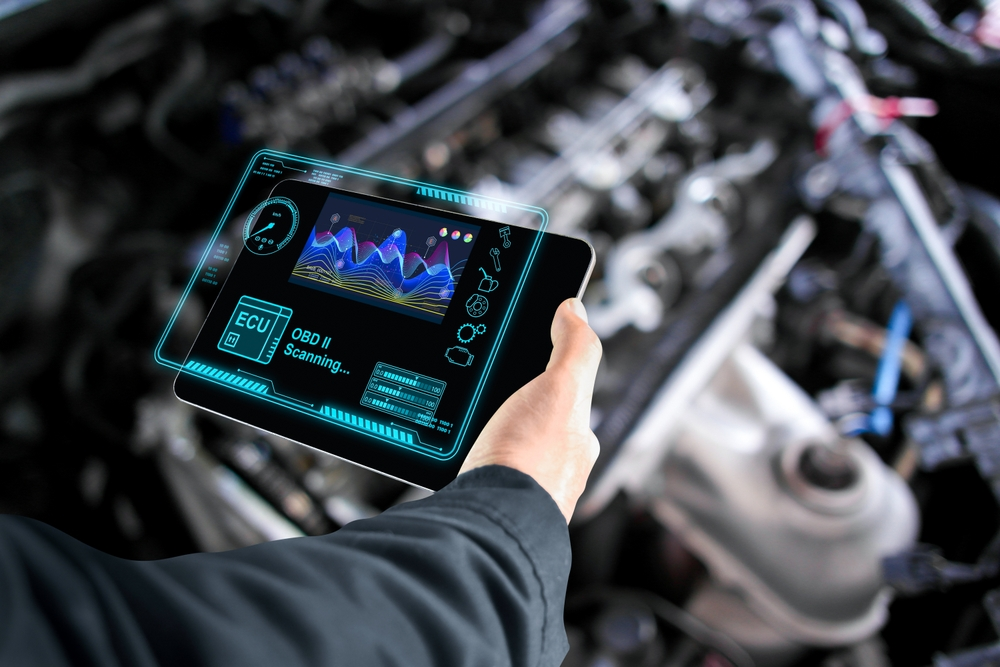
Electric vehicles (EVs) and hybrid vehicles present unique challenges and opportunities for diagnostics through the OBD on board diagnostics port. Unlike conventional petrol vehicles or diesel vehicles, EVs lack traditional combustion components like spark plugs or exhaust systems. However, they introduce high-voltage batteries, electric motor controllers, and regenerative braking systems that require specialised monitoring.
Modern OBD II-compliant electric vehicles support diagnostic access for battery voltage levels, high voltage system health, and safety systems unique to electric drivetrains. As the automotive industry transitions towards electrification, new ISO standards, communication protocols, and parameter IDs will emerge to support the growing complexity of vehicle diagnostics.
Technicians working on electric vehicles must use scan tools compatible with both traditional OBD protocols and newer EV-specific diagnostic systems to maintain safety and performance standards.
Integrating OBD with Telematics and Remote Monitoring
One of the latest advancements in vehicle diagnostics involves the integration of the OBD port with telematics systems. Telematics combines GPS tracking, mobile connectivity, and real-time vehicle monitoring, allowing fleet operators and individual drivers to receive diagnostic alerts remotely.
This approach enhances maintenance planning, improves vehicle uptime, and allows predictive insights to be delivered via smartphone apps or desktop dashboards. For companies managing large vehicle fleets, OBD-integrated telematics reduces operational costs and extends vehicle lifespans.
Additionally, modern telematics platforms can access real-time data, analyse driver behaviour, and automate alerts when diagnostic trouble codes are triggered, ensuring faults are addressed promptly, no matter where the vehicle is located.
Future Developments in OBD Technology
The evolution of the OBD port is ongoing, with manufacturers and regulators collaborating to enhance diagnostic standards. Future developments include greater integration with electric vehicles, increased emphasis on cybersecurity within vehicle networks, and expanded diagnostic capabilities to accommodate emerging powertrain technologies.
Additionally, global efforts to align ISO standards will improve the consistency and reliability of diagnostics across international markets. As vehicle complexity increases, technicians, automotive engineers, and repair professionals will require advanced diagnostic training and tools to keep pace with technological advancements.
Future-Proofing Vehicle Diagnostics with Seven Smart Auto
The OBD on-board diagnostics port is essential for keeping your vehicle running efficiently, helping detect issues early and ensuring your car performs at its best. But true vehicle optimisation goes beyond what the factory provides.
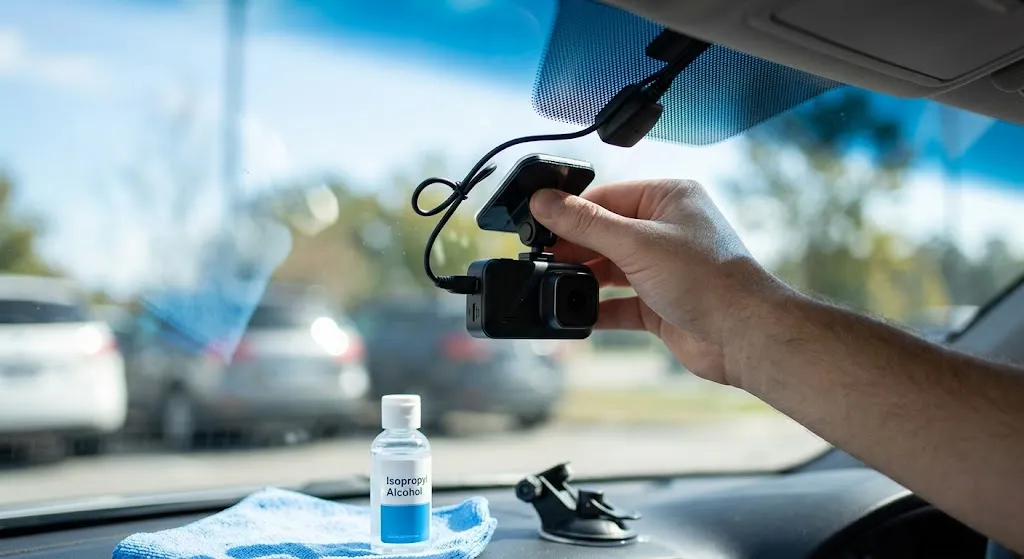
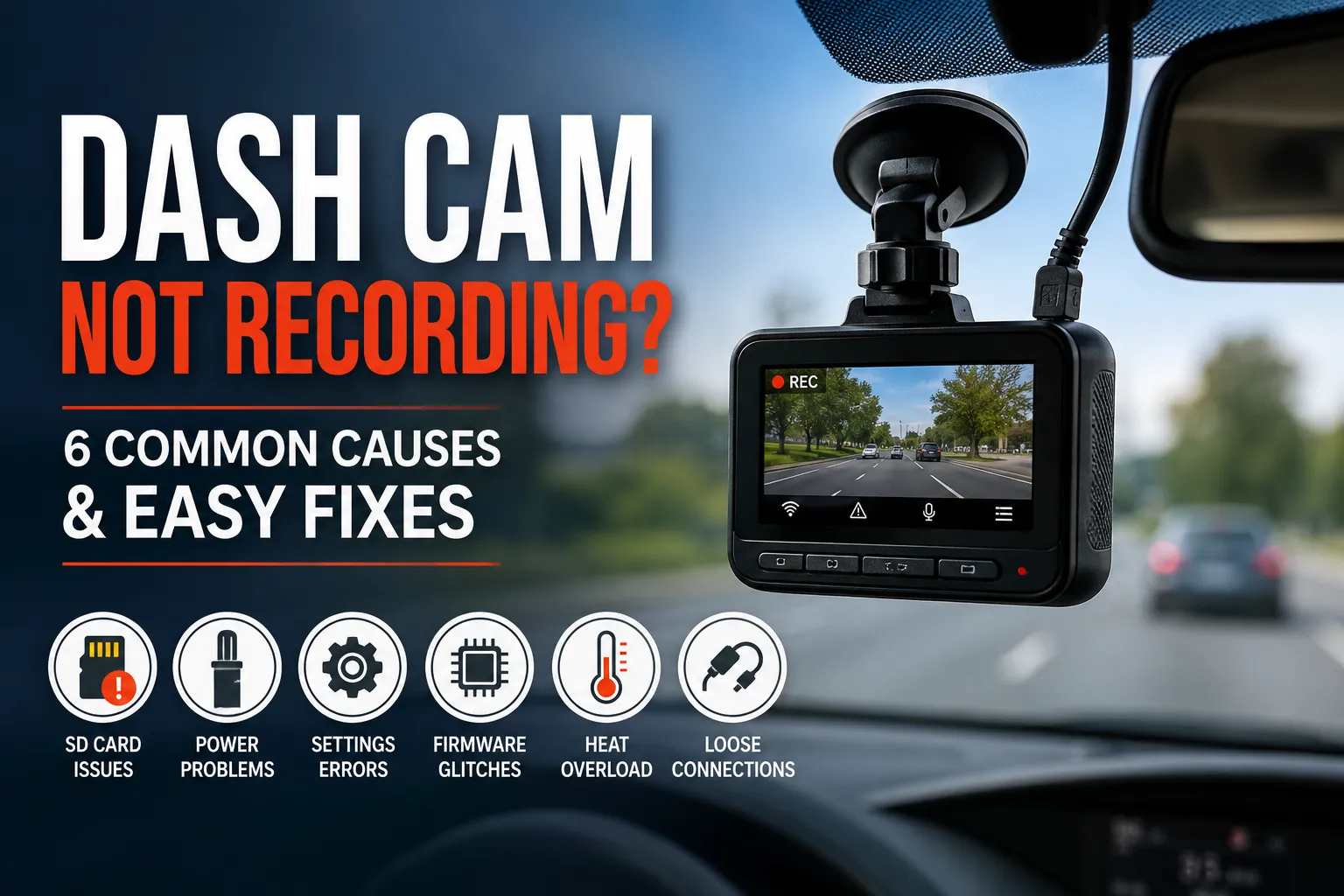
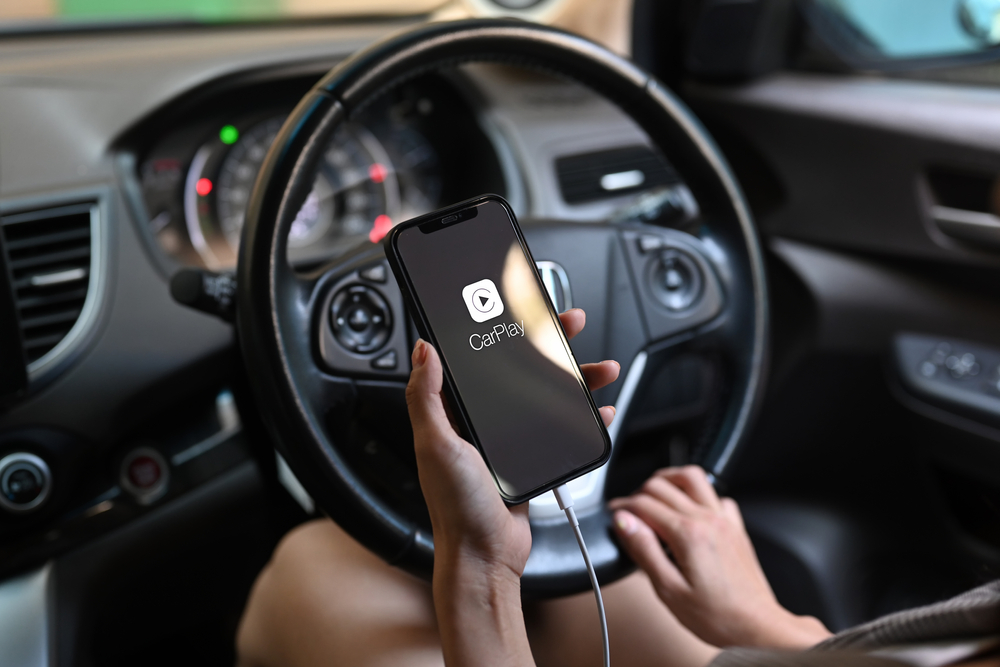
At Seven Smart Auto, we help you unlock your vehicle’s full potential. From advanced BMW retrofits to seamless CarPlay and Android Auto integration, premium dash camera installations, and ambient lighting upgrades, our services enhance your car’s technology, safety, and driving experience.
When your vehicle is both well-monitored and well-equipped, you’re ready for the road — smarter, safer, and more connected.
Contact us and elevate your vehicle today!